
Risk factors of feather pecking are described below. A figure is showing how risk factors relate to feather pecking, and a more detailed list is given of subsections.
Main pages below:
A good start
Housing
Management
Feed
Health
Climate
Bird-related factors.
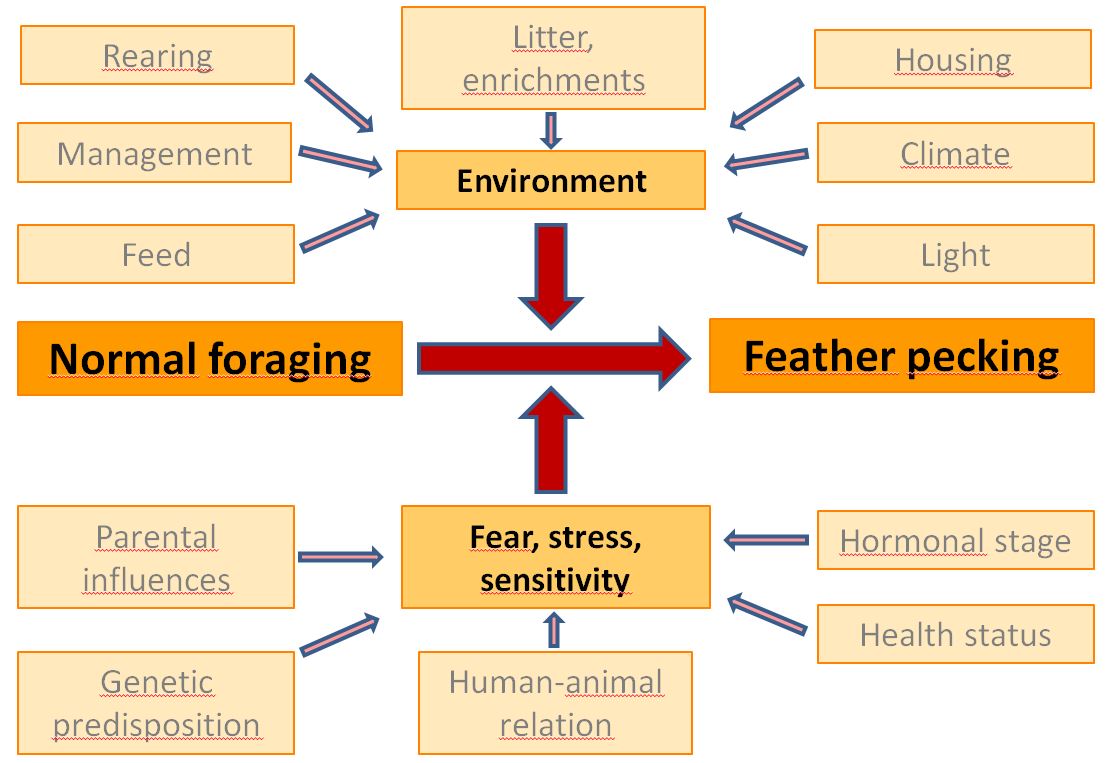
The pages have the following further subdivision:
- Risk factors
- A good start
- Rearing
- Litter
- Early access to litter
- Maintaining litter quality
- Light
- System
- Environmental enrichment during rearing
- Placement
- Matching rearing and lay
- Early access to range
- Rearing
- Housing
- Housing system
- Indoor system
- Covered veranda
- Free range
- Functional zones
- Furnishment
- Litter
- Perches
- Netsts
- Light
- Source
- Intensity
- Colour
- Dimming of light
- Housing system
- Management
- Group effects
- Group size
- Stocking density
- Range
- Group effects
- Feed
- Feed composition
- Protein
- Fibre
- Managing the feed on the farm
- Diet change
- Feed form
- Number of feedings/day
- Feed rationing
- Feed additives
- Roughage
- Grain in litter
- (Lime) stones
- Pecking objects
- Pecking blocks
- Other pecking objects
- Feed composition
- Health
- Healthy birds
- Gut health
- Vaccinations
- Disease pressure
- Litter condition
- Climate
- Poultry density
- Contact with other animals
- Parasites
- Red mites
- Worms
- Other parasites
- Human-animal relationship
- Fearfulness
- Healthy birds
- Climate
- Light
- Daylight
- Bird-related factors
- Genetics
- Age and previous experiences
- A good start
- Treatment
- Prevention
- Measures
- Treating affected birds
- Importance
- Mortality
- Beak trimming
- Economics
- Further reading
A good start
Rearing
If feather pecking does not occur during rearing there is a good chance (70%) that it will not occur during the laying period either. However, if feather pecking does occur during rearing there is a much higher chance (90%) that it will occur during laying as well (Dutch research on commercial farms1). It is therefore extremely important to prevent injurious pecking during rearing.
During rearing, there are various important issues regarding the prevention of feather pecking:
Litter
Litter quality is especially important during rearing as it is often the only foraging material (apart from feed) available to the chicks. Abnormal behaviours such as injurious pecking are likely to develop because normal behaviours cannot be performed, or have not been learnt. One of the most influential of these behaviours is ground pecking, where chicks normally learn from their mother to peck at the ground and to forage for food. Absence of a mother hen and inferior litter substrates, hinder the development of good foraging behaviour. The effects of abnormal behaviours learnt during rearing are often displayed in the laying period even though they may go unnoticed during rearing. It is therefore important to address this problem already in the rearing phase. Be proactive and keep litter in good condition, identify the causes of poor litter quality and eliminate them.
Early access to litter
During rearing it is very important to provide good friable litter throughout the whole period. In many rearing systems birds are kept on wire floors covered with paper during the first weeks. Food is scattered onto the paper so that birds have foraging material available. Between 3 and 5 weeks of age birds are allowed to enter the litter area. As the paper is removed or disappears at around 3 weeks of age, there often is a period when chicks have no litter available. This period coincides with one of the moulting stages. At this stage birds are more susceptible to start feather pecking.
Maintaining litter quality
Inspect litter quality regularly during rearing and ensure that it is kept dry and friable throughout the entire rearing period. Wet patches should be removed and replaced with fresh, dry litter. Leaking drinkers, poor ventilation and structural problems in the rearing house are potential sources of wet litter during rearing. These should be promptly addressed and measures should be put in place to prevent the problem recurring. Adding material, e.g. roughage, can help to maintain litter quality and make the litter more attractive to the birds. Litter containing edible particles is particularly attractive, motivating the birds to continue foraging in the litter.
Light
Lighting schemes are used to manage the maturation rate of the pullets during rearing. Light intensity doesn’t seem to have a lot of influence on this maturation. However, to avoid any stress to the birds, it is important that the light intensity during rearing is matched to the subsequent laying conditions. Pullets that are to be transferred to a bright layer house should be reared under bright conditions to avoid stress to the birds. Ideally, the light source should be similar to that in the laying house. Birds housed in a layer unit with daylight should preferably be reared with (additional) daylight.
Lighting in the rearing house can affect pullet behaviour, just as it can in the laying period. Therefore, it is important to pay attention to light distribution and management. See for details:
- Ensure an even light intensity throughout the house
- Avoid spots and shafts of bright light
- Avoid sudden changes in light levels.
Dimming the lights should not be the first method used to control injurious pecking but rather a last resort or emergency measure.
System
Rearing systems can be as simple as a fully littered floor, but also more complicated with at least an elevated slatted floor over a manure pit. Research has shown that the presence of perches in these systems reduces the risk of feather pecking during the laying period.
Modern rearing systems include aviary type systems or systems with movable floors (e.g. Nivo-Varia, Jumpstart). The floors in these systems are adjustable in height, so that young chicks can learn and adapt to differing levels. Whichever system is used it is important to provide a constant supply of suitable foraging material.
Environmental enrichment during rearing
It is important the hens’ behavioural needs are met from an early age. The early life experiences of a flock can dictate how the flock will behave in the future. Providing areas for the chicks to perch and additional foraging enrichment can both help prevent injurious pecking developing during rear.
 |  | |
| Perches allow the birds to spread more throughout the house and promote behavioural synchrony. Studies have shown that providing access to perches before four weeks of age reduces the likelihood of injurious pecking. | Providing slatted areas in addition to the litter during the rearing stage is becoming increasingly popular. | |
 |  | |
| Providing slats at an early age enables the chicks to get used to slats before being placed into the laying shed. This will help make the transition between the two sheds smoother and should make managing floor eggs easier as the hens are more used to using slatted areas. | Providing objects for the chicks to peck at promotes positive foraging behaviour and helps to keep them occupied. This is especially important when the birds are learning what to peck at. | |
 | 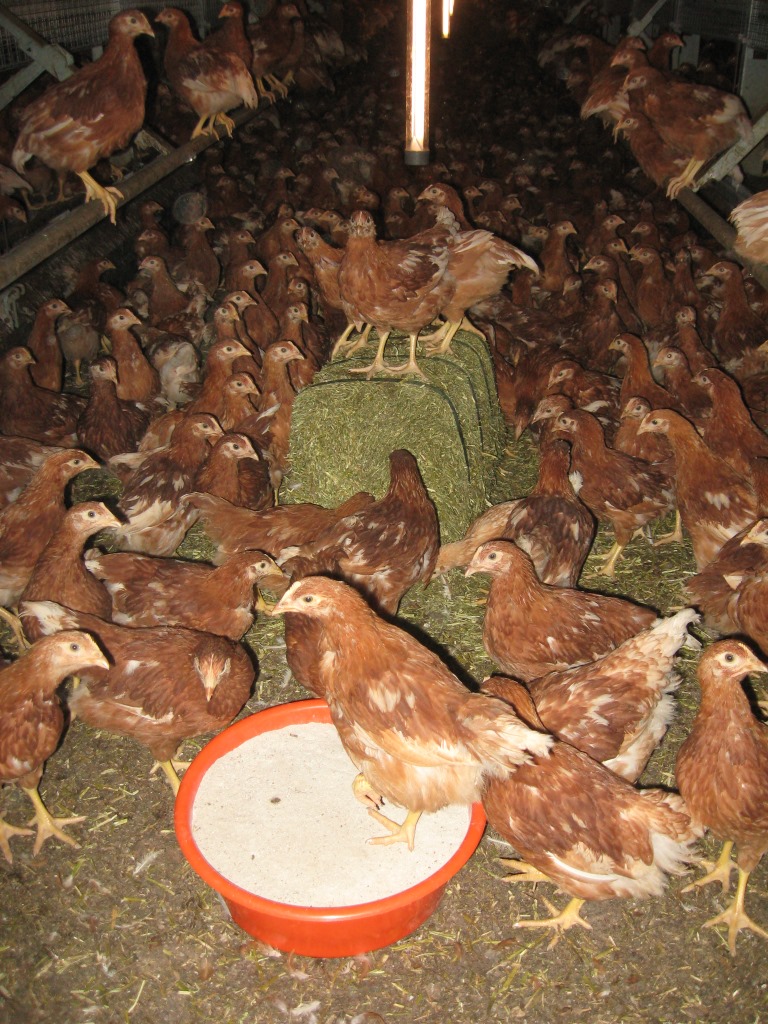 | |
| This photo shows crumpled egg trays in hay nets being used. | Use pecking blocks in both the rearing and the laying shed. When provided during rearing, hens will use them more in the laying period. There are various methods of providing pecking blocks. They can be placed either in the litter or on slatted floors. Suspended blocks appear to work well. For slatted areas large blocks can be broken into smaller pieces. Recently, custom-made pecking blocks have become available. These blocks contain minerals and can contain other edible ingredients, such as grains. |
..
Placement
Matching rearing and lay
Try to match the laying house environment to the conditions the pullets have experienced during rearing. Then pullets will find the laying house more familiar and the transition will be less stressful. Communication between rearer and laying hen keeper will enable a better match between the environment in both houses. It may not be possible to match everything, but the more is matched the greater the chance that your birds will make a good start to the laying period. Good and clear communication with the rearer is important to a successful transfer for the birds. The following items may be helpful as a checklist:
- Light intensity and source: a similar light intensity and light source during rearing and laying periods reduces stress for the birds and thus the risk for injurious pecking.
- Lighting schedule: try to match the lighting schedules (timing, periods of light and darkness) as closely as possible.
- Feeder and drinker type: Nipple drinkers have been shown to reduce the risk of injurious feather pecking and should be used as a primary water source. But, provision of a few bell drinkers can help to improve the match between rearing and laying periods. Some birds may have a strong preference to use a bell drinker. Also attempt to match feeder type used during laying. Chain feeders are the most common during laying but pan feeders may be used initially to ensure that the chicks find food early on, while other feeders may be used additionally to provide variety and enable closer matching between the rearing and laying period.
- Feeding times: Try to match not only the number of feeding times, but also the timing of when feed is provided. This can be gradually adjusted towards the required schedule during the initial weeks. It is now recognised that the timing of the chain feeder runs should allow a larger pause in the middle of the day to ensure that the smaller, less ‘tasty’ but very important feed particles will be eaten. This should be initiated during rearing and continued during lay.
- Feed structure and composition: The form in which the food is presented may affect the time birds spend eating. Feeding finer ground food has been associated with lower levels of injurious pecking. A number of studies have found lower levels of injurious pecking during rearing and laying, when extra fibre was added to the diet. This may be due to dietary fibre improving the efficiency of the hens’ gastro-intestinal tract. If the diet contains insufficient fibre the hens may consume feathers in an attempt to compensate for fibre shortage.
- Slats: type and positioning
- Perches: type and positioning
.
Early access to range
Allow the hens access to the range area as early as possible, considering weather conditions. Early outdoor access is associated with greater range use later in the laying cycle and the more hens you can encourage to use the range the lower the risk of injurious pecking.
.
Housing system
Housing system
.
Indoor system
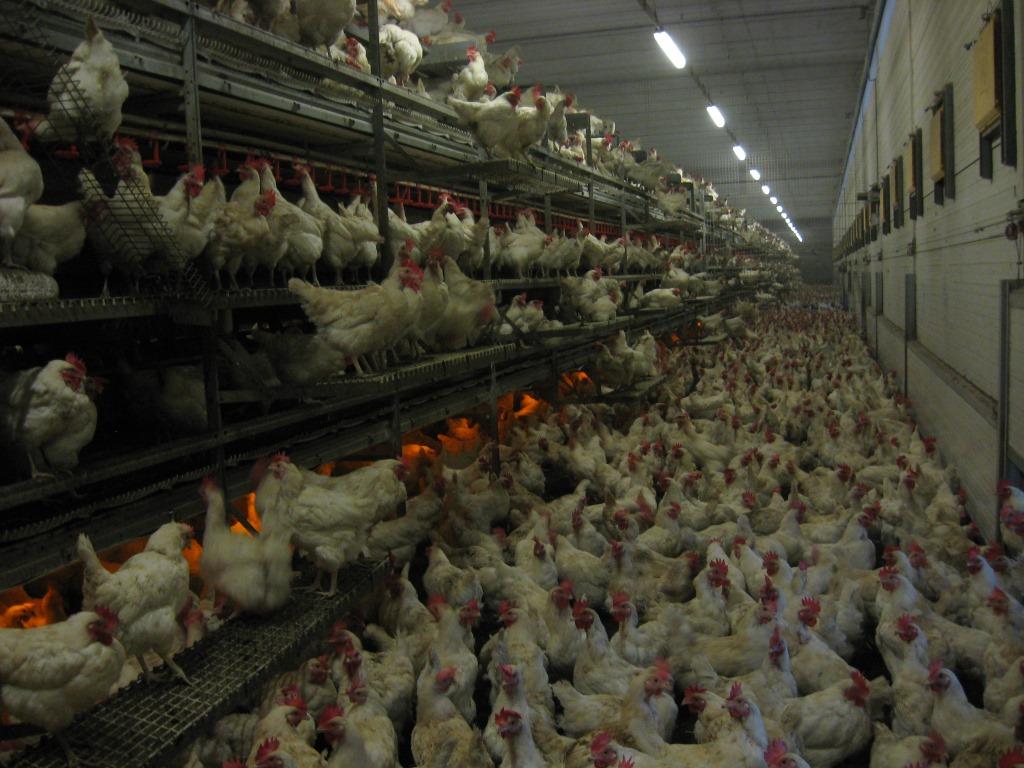
Cages have the advantage of limiting group sizes, but the disadvantage of restricting your potential to control injurious pecking. Lighting should be situated so as to allow for a correct contrast in illumination between shaded (nesting box) and open areas (litter). Resources should be made readily available in order to restrict competition between birds. Loose housing systems should be designed so that birds can easily move throughout the house. This gives them ease of access to all facilities thus reducing the risk of injurious pecking. Additionally, it will make it easier for them to escape any feather-pecking attempts.
.
Covered veranda
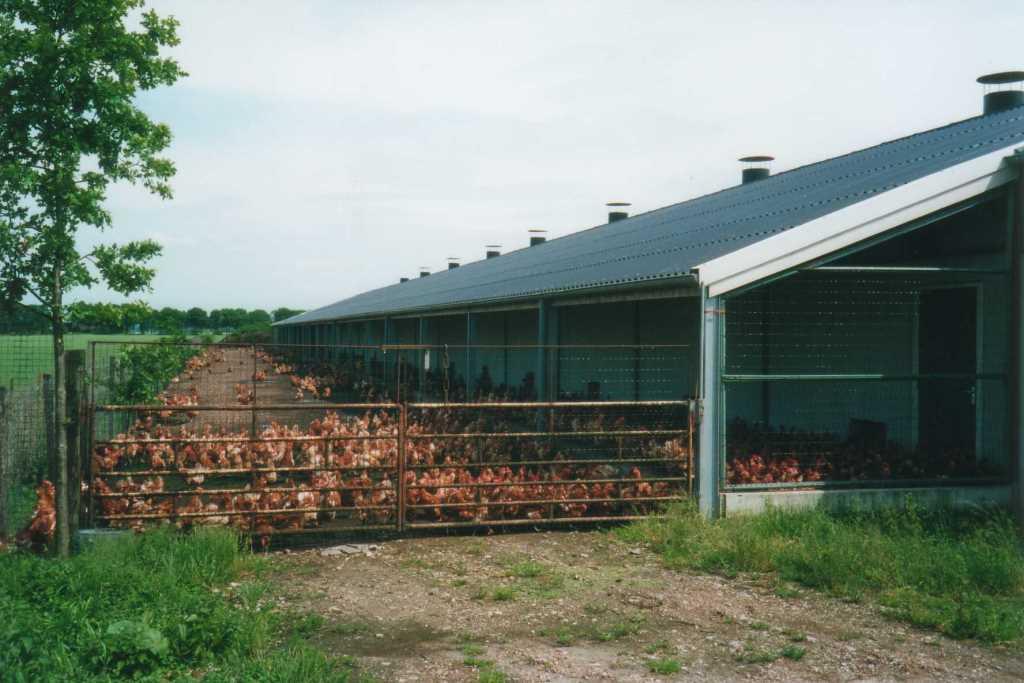
A covered veranda provides a number of advantages. It provides an enrichment of the environment and often also an expansion of the space per bird. Verandas are ideal for providing supplementary foraging materials and dust baths. Access to covered verandas can be given to the hens during bad weather when access to the range is restricted. Birds often become stressed when access to the range is prohibited because of bad weather. A veranda can reduce this stress and ease congestion in the main house. Many scientific studies have established a reduced risk of injurious pecking with good litter and warmer temperatures in the main shed and verandas help to achieve these conditions. They also serve as a buffer area between the indoor and outdoor area; birds can adjust to climate and light before entering the range, which encourages them to go outside.
.
Free range
When keeping hens in a free-range system it is important to make the most of what the system has to offer. It is essential to get the birds utilising the range to satisfy their normal foraging and dustbathing behaviour. Injurious pecking is very rarely seen outside on the range and additionally the hens have the opportunity to supplement their diet with what they can find outside. There is evidence to suggest that flocks with many birds outside using all areas of the range have better feather cover. There are many ways to make the range more attractive to the hens and help encourage them to move outside.
The pophole view
In order for the birds to take that first important step outside, the view from the pophole needs to be inviting. The popholes need to be easily accessible. Avoid having a large step or jump up onto the pophole. If the birds cannot see the range to attract them out, it is unlikely many of them will use it. Straw bales can help create a step up to high popholes or alternatively use a ramp. Wide popholes will help encourage range use and if the house has large barn doors, open them to improve range use. It is vital that the view from the popholes shows a range of features offering the hens protection, and allowing them to forage, dustbathe and perch.
 |  | |
| Good range use is promoted by visible shelters, dustbaths, trees and other hens. Move artificial shelters close to the popholes when the hens are first let outside to draw them out. | Wet, muddy ranges with no visible shelter will result in poor range use by the hens and is a disease risk. | |
 |  | |
| Easily accessible range, trees and shrubs close to the shed will help attract the hens out. | Avoid large open spaces immediately outside the popholes. Try to fill the space with natural or artifical shelters to help attract the hens outside. |
Natural shelter
Modern hens are derived from jungle fowl which are forest birds and naturally feel safer on a range with plenty of shelter. Natural cover on the range can be provided by planting trees, hedgerows and other shrubs. Increasing the amount and variety of vegetation and natural cover on the range will promote and maximise range use.
 |  | |
| Having plenty of mature trees on the range will provide a more natural environment for the hens and will both increase the number of hens using the range and the distance they cover. | Farming and Wildlife Advisory Group (FWAG) can provide support to producers wishing to apply for grants to plant woodland on their ranges. | |
 |  | |
| Hedges work well in drawing the hens out. The saplings in this photo are still young but will offer good cover when mature. See photo on the right. | This photo was taken a few years later from the same spot on the same range. You can see that the trees have grown considerably and are providing excellent cover and a variety of vegetation for the hens. | |
 |  | |
| Planting patches of arable crops on the range will provide both a source of food and shelter for the hens. | Interesting features such as this log pile are attractive foraging opportunities for the hens and will help entice them out. | |
 |  | |
| Trees can provide excellent shade which is very important in encouraging birds out on to the range on sunny days. | When planting saplings it is imperative that they are adequately protected from browsing. |
Artificial shelters
Artificial shelters can provide essential cover on the range, especially when you are waiting for saplings and other vegetation to become established. Artifical shelters range from custom made shelters to old pieces of farm equipment. As long as they provide cover for the hens they will help to draw them out of the house.
 |  | |
| Shelters can be made from a simple wooden structure and covered with a variety of materials such as corrugated iron, wood or tough fabrics. | Here straw bales with corrugated iron roof are being used as simple, cheap and effective shelters. | |
 |  | |
| Old pieces of farm equipment can make great shelters, just ensure they are raised off the ground to prevent attracting vermin. | This tent design keeps the area underneath the shelter very dry and makes an excellent dust bathing area. | |
 |  | |
| Curved, corrugated iron make simple, but effective shelters that can be easily moved. | Old slats and wooden pallets can also be used to construct shelters. Cover the outside of the slats or pallets with plywood or a suitable solid material to give the birds better protection from elements. | |
 |  | |
| Moving shelters close to the popholes is an effective method of encouraging the birds out, particularly when the birds are first given access to the range. | Shelters are particularly important in providing shade on hot days and help to increase the number of birds ranging on sunny days. |
Other animals on the range
Hens are attracted to other animals using the range. Keeping other animals on the range can really improve range use. Alpacas and Llamas can also be used to help keep foxes away and are relatively cheap to purchase and keep. Using the range for grazing can also be a good opportunity to get a better return on the range area and will help to keep the grass short.
 |  | |
| Increasingly producers are using alpacas and llamas to protect their flocks from foxes. | Male llamas and alpacas can be cheap to purchase and require shearing once a year, toe nail clipping three times a year and twice yearly deworming and vaccinating. | |
 |  | |
| Hens are often found around grazing animals, this could be as the animals disturb insects which the hens can feed on. | Avoid keeping pigs on the range, as there are diseases, in particular erysipelas which can be transmitted between both species. |
Managing the range
The range needs active management all year round to ensure normal behaviour and good health in the hens. Regularly topping the grass on the range in the summer reduces the risk of crop impaction and helps to kill parasitic worms on the soil. Areas around the popholes are notoriously hard to manage especially in poor weather, but excessive poaching, can discourage the hens from ranging, is a disease risk, and impacts on the quality of the litter inside the house. There are however ways to manage this area to improve drainage and avoid puddles. See how other producers have effectively managed the pophole area >>>
 |  | |
| Old slats can be used around the popholes to prevent the area from becoming poached. This will also help to prevent the hens bringing wet mud into the litter area, keeping the litter dry. Think of it as a large doormat for the hens to wipe their feet on. | Stone placed around the popholes will wipe the hen’s feet and help to stop them bring wet mud into the house. This again will help to keep the litter inside the shed dry and prevent dirty eggs. The stone needs to be topped up or replaced regularly between flocks to prevent muck and disease building up. | |
 |  | |
| If the stone is deep enough, it will aid drainage around the popholes, preventing puddles from forming and the rain will wash the muck through. Also make sure that any gutters lead away from the house. | The eggs of parasitic worms are sensitive to UV radiation and so by keeping the grass short on the range you increase the chance that the eggs will be exposed to UV radiation from the sun. This can help reduce the risk of the hens picking up viable eggs from the range. | |
 |  | |
| Pasture rotation is a good method to control for parasites on the range and will prevent areas from becoming too poached. By rotating pastures throughout the laying period you can allow areas of the range to recover some vegetation before moving the hens back to that area. | Fencing off puddles or areas that are heavily poached is a good idea. Try to fill in large, deep puddles as they are a source of disease. |
Predator control
Predators, primarily foxes, but also dogs, mink and badgers can cause panic in a flock leading to outbreaks of feather pecking. The most effective way to control against foxes is to use electric and poultry fencing around the range, this is sometimes complemented by llamas and alpacas. In order for a fence to be fox proof it needs to be tall and secure all the way round the range.
 |  | |
| A six foot fence is often quoted as being high enough to prevent a fox jumping over. Otherwise a 5 foot fence with an overhang can work. Ideally the fence should also be buried underground and turned outwards to prevent foxes digging in. Fences should be checked on a regular basis for potential entrances. | Any grass or vegetation touching the electric wire will leak current to earth and if wet will soon short the fence our making it ineffective, so vegetation around the fence needs to be cleared regularly. | |
| | |
| Alpacas and llamas are becoming increasingly popular with free range producers who are having problems protecting their flocks against foxes. They make effective guards and will chase away foxes and encourage more hens to range. | Alpacas can be bought for between £400 and £700. |
.
Functional zones
One can distinguish 3 areas in a henhouse:
-
- the activity zone, where litter, food, roughage etc. is located
- The nesting zone, where birds should not be disturbed
- The resting zone, with perches, where it should be quiet
In order to maintain a calm flock it is best to keep these zones separate as much as possible. Therefore, there should be no feeders in front of nesting boxes and an area with perches should be separated from foraging areas (either by separate positioning or elevation to another level).
Although light should be evenly distributed throughout a henhouse , the resting and nesting zones can provide slightly more shade and activity zones more light.
Furnishment
.;
Litter
It is essential to be proactive to keep the litter in good condition. Hens have an inbuilt need to forage and dry, friable litter is vital to the hens for foraging behaviour and other positive behaviours such as dust bathing. If the litter becomes wet or capped this can be frustrating for the hens and can lead to injurious pecking starting in the flock. Attention needs to be paid to maintaining litter quality throughout the life of the flock. Interventions can be as simple as frequent raking/forking over the litter or rotavating and then topping up with fresh, clean litter. If there is a persistent problem with wet or capped litter then it is worth investigating the underlying causes. For example, there could be a problem with the ventilation in the house or the condition of the range outside the popholes or leaking gutters. Addressing these issues will make keeping the litter dry and friable an easier and more satisfying task. There is no simple cure. Keeping the litter in good condition is essential for the health and welfare of your hens (see also the Hennovation flyer on Litter).
 |  | |
| The hens should have access to dry, friable litter from day 1 in the laying house. They would have had access in the rearing house and preventing access will cause frustration and could trigger injurious pecking. | Fresh, clean litter should be added to scratch area when needed. Highly absorbent wood pellet bedding is a very effective litter material and although currently relatively expensive it can be used in problem areas where the occurrence of capped litter is common. | |
 | | |
| Keeping the litter dry and friable can require active management. Frequent raking or forking over the litter will keep the litter condition under control and make the task more manageable and rewarding. | Often the litter areas around the popholes become capped or wet. Managing the area outside the popholes can help keep the litter dry and creates an additional benefit by preventing dirty eggs. | |
 |  | |
| If the litter becomes thickly capped it should be removed and fresh litter put down. Having in place a system of regular litter quality monitoring and treatment can prevent the litter getting to this stage in the first place. | These birds are 65 weeks old. Keeping the litter in good condition throughout lay is vital for the hens ability to express normal foraging behaviour. Maintaining litter quality is the single most important enrichment you can provide to reduce the risk of feather pecking. Well worth the effort. |
.
Perches
Perches provide resting places for hens and reduce the risk for feather pecking. However, positioning, shape and material of the perches should be taken into account.
In order to control vent pecking avoid perches which present the vent at bird eye-level. This applies to any object that the hens can perch on, for example nipple lines and feed tracks. Try to ensure they are positioned either very low or more than 40 cm high.
To reduce the risk of keel bone damage or deformities, perches should preferably have a flattened upper surface. Wooden perches often attract red mites, which are a stressor for the birds and increase the risk of injurious pecking. Metal perches are easier to clean, but may not be as comfortable for the hens and often don’t have a flat surface.
Nests
Nests should be designed to encourage hens to lay eggs in them. A well designed nest is almost, but not completely, dark inside. Hens should be able to at least see a part of the bottom of the nest and thus feel confident enough to step inside. Appropriate positioning of the lights on the ceiling of the house usually provides sufficient illumination of the nests. If this is not the case, then dim lighting in the nest could encourage hens to enter.
On the other hand, darkness in nest boxes prevents vent pecking, which is especially important in nests where hens sit with their rear towards the nest entrance (hens mostly sit in an ‘uphill’ direction when laying eggs).
There is a link between nest box illumination and vent pecking. If lighting is used for training then the lighting should be dimmable and once the hens have successfully learnt to lay in the nests (normally around peak production), the nest box lights should be gradually dimmed and turned off.
Tip: Having space at the end of a nest box run encourages birds to move easily to the other side and reduces the risk of smothering during competition for preferred nesting positions.
Light
Although the exact mechanism is not yet known, light has a large influence on the behaviour of the birds. Light can direct birds to places to forage and darker places can attract birds to lay eggs or find a place to rest. A good light plan can result in a proper use of the facilities by the birds and can reduce the risk of undesirable behaviours. Experiences on commercial farms learn that bright spots may trigger birds to smother or to start feather pecking. Dark spots may attract birds to lay eggs in inappropriate places.
Choice and positioning of lights is essential to an even distribution of illumination throughout the henhouse. It is important to:
-
- try to ensure that there is an even distribution of light throughout the house. Make a good lighting plan with the help of an expert to determine the number, type(s) and positioning of the light sources. Lights in the aisles or on the ceiling can be larger than lights in the system.
- Zones in the house where birds eat or forage may be slightly brighter than other areas in the house.
- Repair malfunctioning lights as soon as possible, to avoid dark spots.
- Daylight is a good source of light, but beams or spots of sunlight may give problems, therefore try to avoid these.
.
Source
Chickens can see the flickering of low frequency fluorescent lighting (FL) and this can be stressful for them. In order to avoid this, light sources should have either a high frequency (e.g. HF-FL) or no frequency (e.g. LED). There is some evidence that chickens can even see the flickering of high frequency lights if they are kept under high intensity full spectrum light! Under these circumstances a good LED would be a better light source.
LED lighting systems have improved a lot in recent years. Light intensity is not a problem anymore. Advantages are: low energy cost, durable, shockproof and they can be produced in any desired spectrum. A point of attention is the dimming electronics. Dimming of LED can be done in two ways: 1. slowly reducing the power and thus reducing the light-intensity ; 2. switching the LED on-off, making the off phase longer to reduce the light-intensity. This second type of dimming produces a flicker frequency, which is not a problem as long as the frequency is high enough. However, some LEDs produce flickering (when dimmed) below 100Hz, which then can be seen by the birds. These LEDs may cause stress to the birds and therefore are not advised in poulty houses.
There is a simple trick to see if lights have a low frequency. Set your mobile phone in camera modus, point it to the area where the light is and look at the screen. If you see flickering on the screen, the light source has a low frequency. When actually taking a photo you may see bands running over the picture (see also the Hennovation flyer on Light sources).

Intensity
Ideally hens should have at least 20 lux of light at bird level. This enables them to see their environment and to find their way around. Hens usually behave less fearfully in bright light compared to dimmed conditions. Dimming the lights to control injurious feather pecking should only be performed as a last resort or emergency measure.
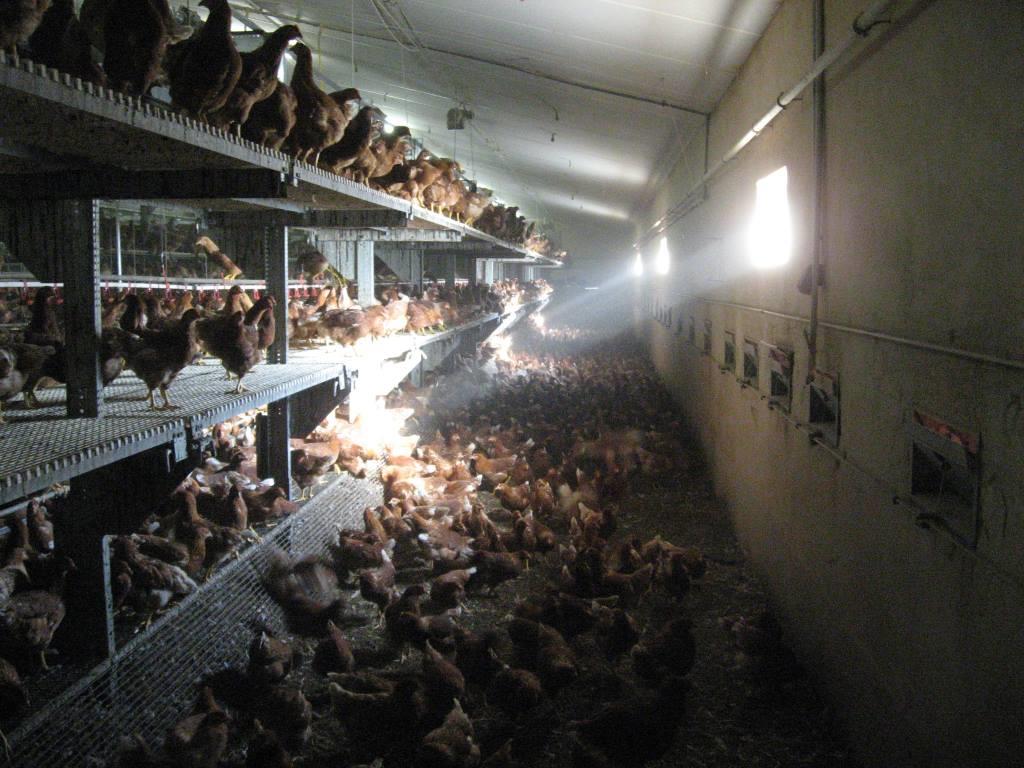
Although large variations in light intensity are not advisable, some slight variation may be advantageous. The nesting and resting zones can be kept slightly dimmer, to enable resting and undisturbed egg laying. The litter and foraging areas can be slightly brighter to enable the birds to find food and encourage them to work the litter. These are all nuances and bright (sun)beams of light should be prevented as much as possible.
Colour
Chickens have full colour vision and can even see ultraviolet light. Compared with humans they can see better in the blue/green and in the orange/red spectrum.
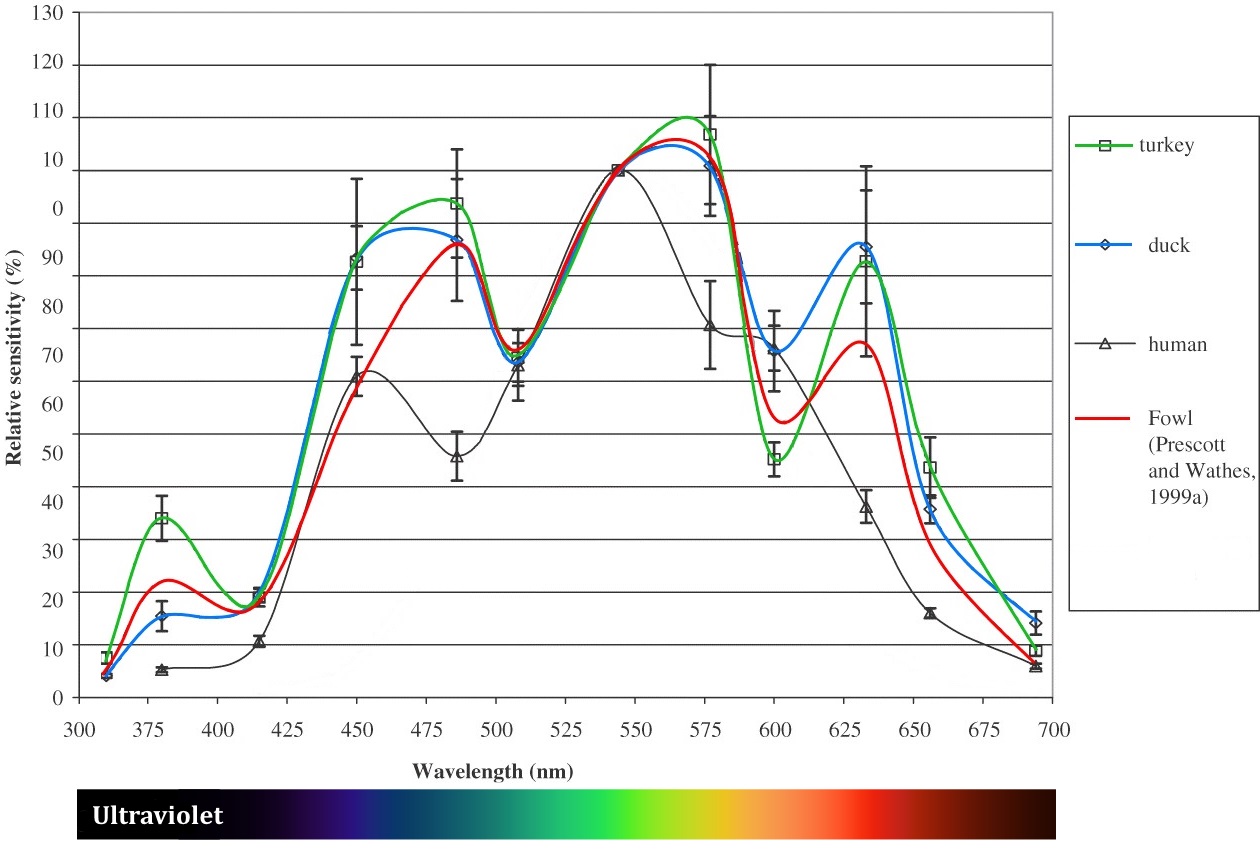
Because of their wider visual range, chickens see the world differently. In the presence of UV specific particles may light up, attracting birds to peck. In the absence of attractive litter, this may cause birds to peck at feathers. Provision of full spectrum light should therefore always be combined with other measures, such as good litter quality and feed additives.
Although there is evidence that red light does reduce injurious pecking behaviour, it should be seen as an emergency measure. The exact spectrum hens prefer remains unknown, but providing a full spectrum white light is advised (see also the Hennovation flyer on Vision and the Flyer on Colour and Daylight).
Dimming of light
Providing dimmer phases at the start and end of the lighting period may have a calming effect on the birds.
To allow birds to calmly find a place to roost, there should be a dimming phase at the end of the day. This can be achieved by slowly dimming the lights or by a stepwise schedule of switching off lights, starting with the lowest positioned lights. It is advisable to have small lights in the ceiling that are switched off 15 minutes after all other lights have been turned off.
In the morning lights can be switched on immediately, but it may be advantageous to include a dimming phase in the morning as well. When birds lay their eggs before the lights are switched on, it may help to have some dimmed lights on so they can find the nest boxes instead of laying their eggs on the floor.
.
Management
Group effects
.
Group size
Both scientific and practical experiences indicate that injurious pecking is easier to control in smaller flocks. Therefore, it is advisable to divide flocks into smaller colonies. This is usually achieved by introducing wire fencing in the house. The free-range is often not divided, and as long as there is not too much migration of birds between sections this is not a problem.
European legislation does not set a maximum for flock size, but has limited colony size for organic houses to a maximum of 3000 hens. National legislation or private standards may limit total flock size. For regular layers some local standards can set a limit for total flock size (e.g. RSPCA: 32,000 (barn) or 16,000 (free range)). Also colony size may be regulated by local standards (e.g. 4000 (RSPCA) or 6000 (KAT) per colony). The variation in these standards indicates that there is no clear evidence for a particular maximum colony size. The given numbers are based on a combination of practical experience and economic feasibility.
Stocking density
Maximum stocking density is legally determined. Lower stocking densities are economically less attractive, but could eventually be profitable, if there are fewer incidences of injurious pecking. Although there is no scientific evidence, practical experiences indicate that lower stocking densities reduce the risk for injurious pecking. Use of the free range also helps, as stocking density in the house will decrease as more birds are encouraged to move outside.
Range
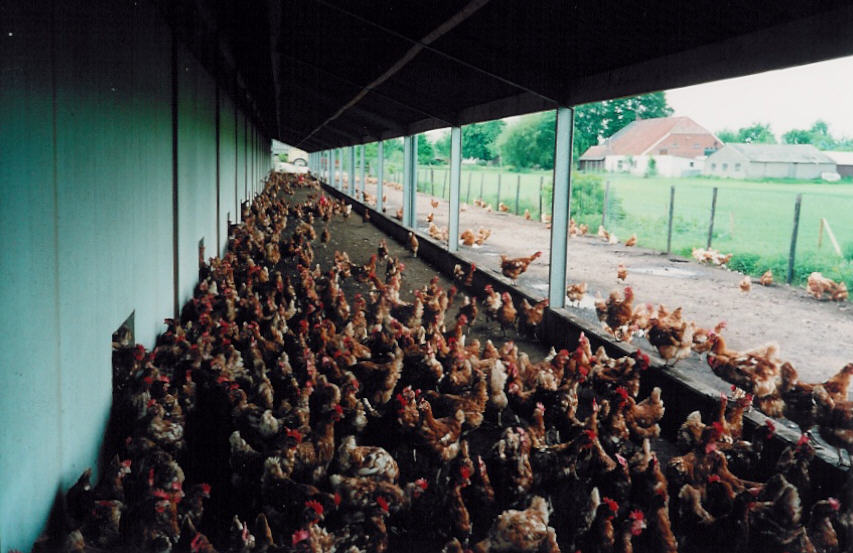
Managing the range properly will help attract the birds outside and keep the disease risk low. Management has a lot to do with arranging and maintaining the equipment and facilities of the range. See for examples the Free Range subsection of Housing.
.
Pecking objects
.
Pecking blocks
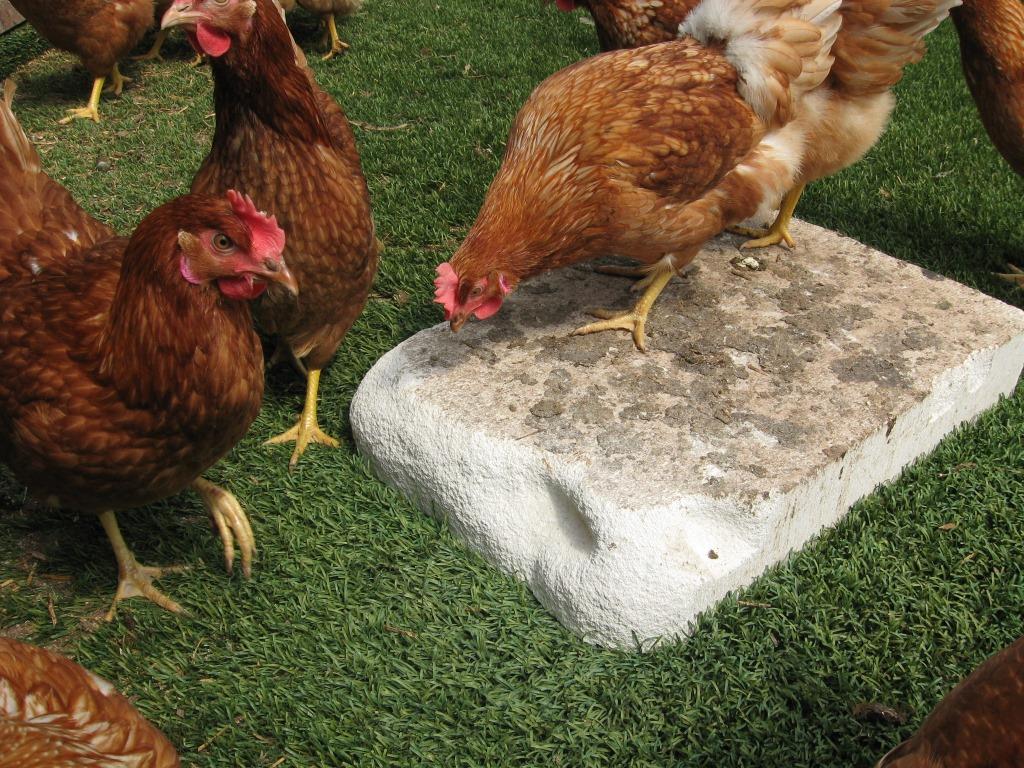
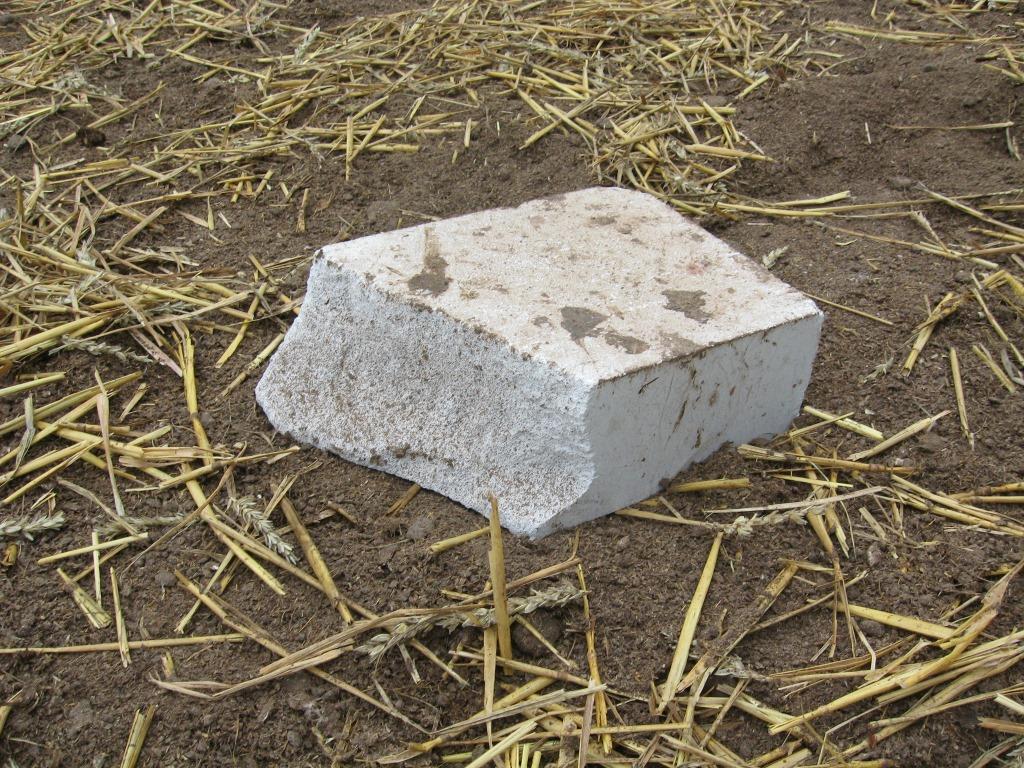
Pecking blocks keep the birds occupied and also slightly blunt the beaks. There are different types of blocks. Sandstone blocks (building material) have been used in the past, however as their content is not known and it is unclear what the birds are eating, special pecking blocks have been developed. These contain beneficial minerals and often edible substances such as grain. Pecking blocks can be placed in the litter or on the slatted floors. If space is limited, pecking blocks can be divided into smaller pieces and/or suspended on strings.
Pecking blocks are best used if they are already introduced in the rearing period. There is some variation between genotypes, but hens that are only provided with pecking blocks in the laying period, often hardly use them (see also the Hennovation flyer on Pecking Blocks).
.
Other pecking objects
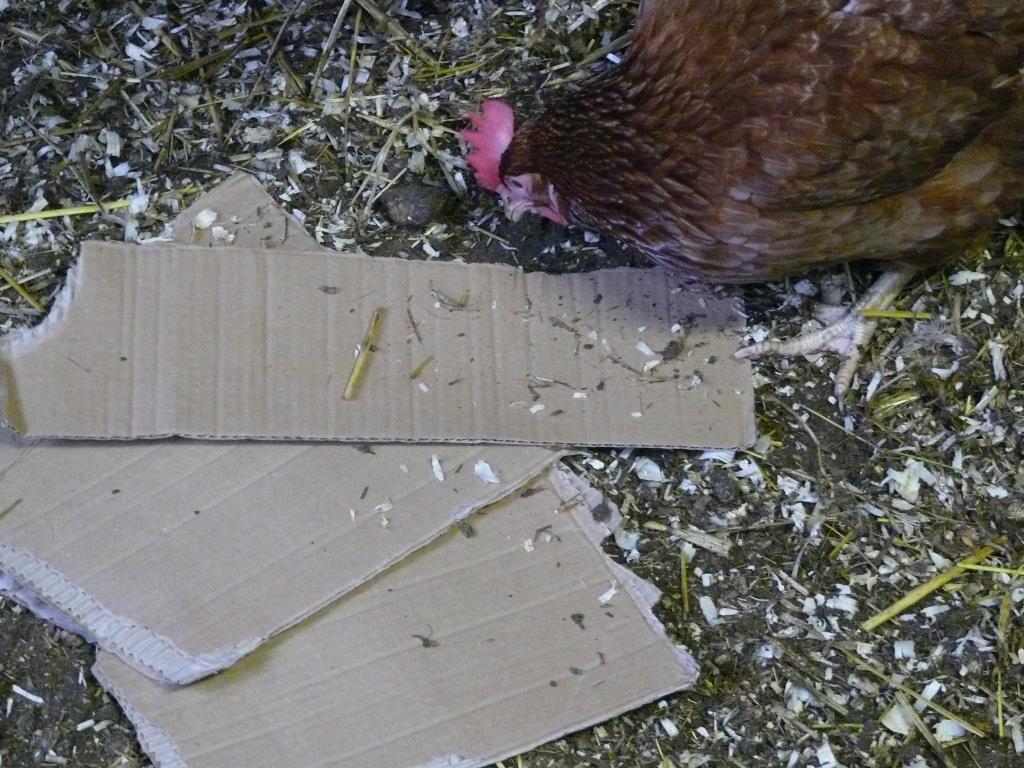
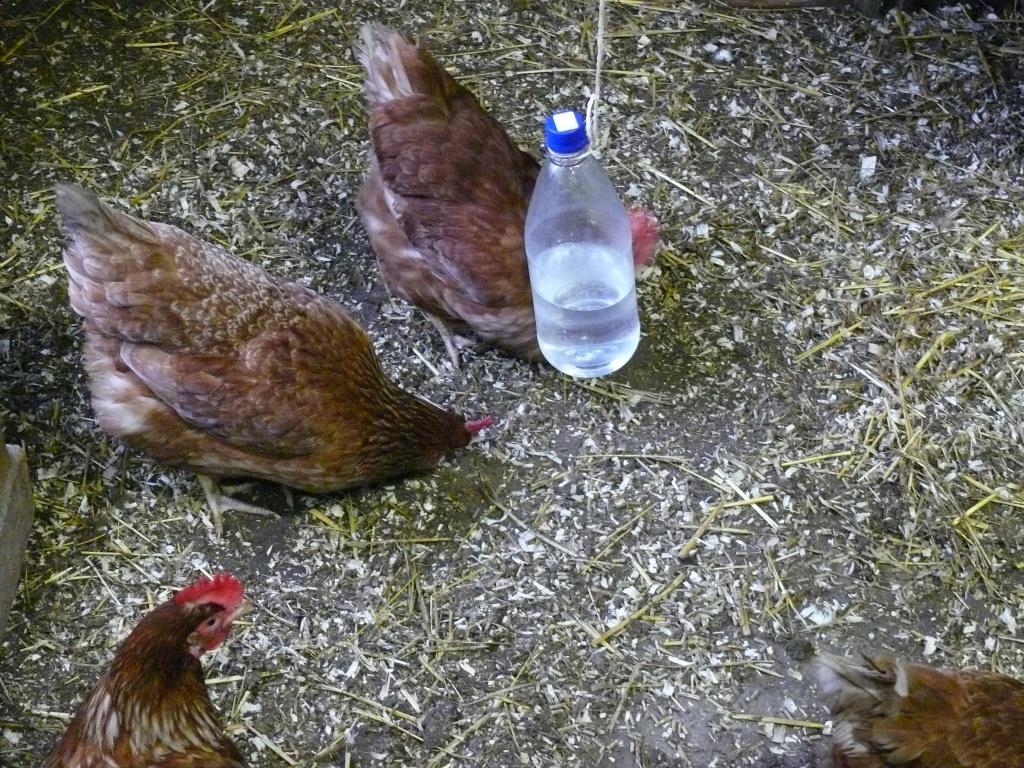
Pecking objects intended to keep the birds occupied can basically be anything that is cheap and attracts the birds. Articles often used include:
- Strings of rope, hanging down
- CDs suspended on strings
- Plastic bottles, half filled with water, suspended on strings
- Empty plastic jerry cans, laying in the litter or on the slatted floor
- Drawing dots or crosses onto these items with marker pen can increase their attractiveness as pecking objects.
.
Feed
Feed composition
Dietary compositions should be discussed with a nutrient specialist and the feed supplier. It is important to understand that there is a link between dietary composition and injurious pecking.
With ever increasing feed prices it is important to avoid the temptation to buy a poorer nutrient composition than the hens require.
Protein
Protein is an essential part of a hen’s diet and several studies have shown that diets deficient in crude protein and certain amino acids have resulted in flocks with poorer plumage condition. As a producer or rearer it is important to carefully monitor protein levels in the diet, especially methionine. If you suspect a problem with the diet composition, then you should contact your feed supplier immediately so the problem can be investigated and where necessary resolved.
Research has indicated that severe feather pecking in the laying period can increase when levels of crude protein and amino acids are too low. Per kg dry matter the following thresholds are recommended:
Crude protein: 125 g/kg
Lysine: 8.2 g/kg
Methionine + cysteine: 5.1 g/kg
Fibre
Several studies have shown lower levels of injurious pecking during rearing and lay when extra fibre was added to the diet. This could be due to a number of reasons. For example, diluting the diet with fibre may increase the time the hens spend eating, reducing the time available for feather pecking. Alternatively fibres may have a positive effect on gut motility and satiety. Accumulation of coarse fibres in the gizzard may increase the feeling of satiety in the bird and reduce the propensity to peck and eat the feathers of other birds.
Results from five different studies have indicated that provision of extra insoluble fibre, such as whole oats, wheat, corn, alfalfa, maize/barley/pea silage and carrots can reduce all types of injurious pecking, plumage damage and mortality.
Managing the feed on the farm
.
Diet changes
Several studies suggest that changes in diet composition or negative changes in palatability, may increase the risk of injurious pecking. This includes changes in both the rearing and the laying period.
Therefore, avoid three or more changes in diet. If a change in diet is required try to take the following into account:
- avoid large drops in protein and amino acid levels.
- avoid repetitive feed changes over a short period.
- mask any changes by mixing diets to help prevent disruption to the birds arising from abrupt dietary changeovers.
- When dietary changes occur place extra enrichments, e.g. straw bales or suspended rope in the house around the time of the change to help distract the birds.
Frequent dietary changes may lead to dietary neophobia (birds searching for the preferred feed elsewhere), resulting in more pecking behaviour for foraging, exploring and feather pecking.
Feed form
The form in which the food is presented may affect the time hens spend eating. A mash diet is preferred to pellets because it increases the time spent eating and therefore decreases the risk of injurious pecking. There is a strong association between feeding pelleted feed and severe feather pecking. On the other hand, mash feeding increases the risk of segregation of food particles, and consequently feeding an unbalanced diet to (some of) the hens. As this also increases the risk for injurious pecking, crumbs may provide a good alternative. This has the advantage of providing small particles without the risk of nutrient segregation.
Number of feedings per day
When setting the number and timing of the feeder runs, there are a few issues to take into account:
- Allow for a larger gap once a day between runs to ensure the feeders are emptied by the birds. This ensures that smaller, less ‘tasty’ but nutritionally enriching finer feed particles are eaten.
- The sound of the running feeder attracts the birds. This can result in birds leaving the nest boxes or it can (intentionally or unintentionally) attract birds inside from the range. Appropriate timing of feeder runs therefore is required. In the morning, when hens lay their eggs, running feeders should be avoided as much as possible, whereas at the end of the day it could be favourable to run feeders to attract birds from the range into the house.
- – If the feeder runs empty once a day, it is important to make sure that the birds are never short of feed, as hunger can trigger injurious pecking.
.
Feed rationing
Feed rationing is not common in laying hens and normally unnecessary. If for some reason this measure has to be applied, extra roughage is advisable to provide the hens with foraging material.
Feed additives
It is good practice to provide extra foraging material. This will keep the hens busy and thus prevent them from starting to feather peck. Some additives, such as (lime)stones may improve gut health and enhance utilisation of the feed ingredients, reducing the risk of shortages. A balanced diet will reduce the risk of feather pecking.
Roughage
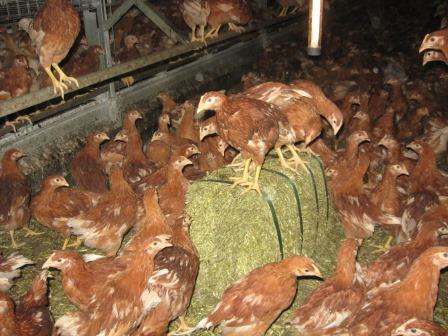
Roughage provides the hens with extra foraging material and helps to keep them occupied. The extra fibres will also improve the health of the gastro-intestinal tract. Especially, if the roughage contains edible particles, hens will be stimulated to forage. Alfalfa is a good example.
Hens find alfalfa blocks, straw and hay attractive for foraging. If they are being consumed too quickly, there are several ways to influence the rate at which the birds utilise the roughage. Roughages can be placed in hay nets or in special racks. Bailed straw can be left intact (with strings around it) making it more difficult for the hens to pull straw out.
.
Grain in litter
Scattering grain in the litter is another way of occupying the hens and making them work for food. The best results are obtained when grain is scattered over a wider surface, preferably throughout the house. This can be done by hand, but for larger houses there are automatic grain scattering systems available. The more the hens have to work to find the grain the more effect this measure will have.
(Lime)stones
In the wild, hens eat small stones to help the gizzard to digest food. In henhouses stones can be scattered onto the litter, but stones can also be provided in small buckets. Limestones or shells can also be provided. They also serve as an extra source of calcium.
.
Health
Healthy birds
Hens with health problems experience more stress and therefore are more prone to perform abnormal behaviours like feather pecking. Bad health can be caused by disease (e.g. Infectious Bronchitis, E.Coli infection), parasitic infection (worms, red mites) and injuries. Not only is present health status important, but also what birds have experienced earlier in life, as this may influence their resistance to health problems..
Gut health
Hens with gut health problems often start feather pecking. Providing a diet containing high fibre reduces the risk of gastro-intestinal problems and prolongs eating time. Both mechanisms help reduce the risk of feather pecking. (A tool to assess avian droppings can be found in this Henhub blog post.)
Vaccinations
Vaccinations improve bird resistance to specific diseases. Some vaccines stimulate strong reactions and thus the birds’ immune systems are placed under pressure. Such vaccines may temporarily weaken the birds, increasing the risk of feather pecking. Appropriate management can help to prevent this.
Disease pressure
Birds affected by a disease outbreak will be more susceptible to incidents of injurious pecking and often have poorer plumage condition. Disease prevention within the flock is important for many reasons. To help prevent disease outbreaks a ‘Poultry Health and Welfare Plan’ should be written in conjunction with a veterinary adviser. To be effective, the plan should be specific to the site, not a generalised document, and it should be reviewed regularly. The plan should also include regular monitoring of the health and welfare of the birds, ensuring any problems are acted upon immediately to prevent escalation.
Despite birds being exposed to uncontrollable risks in free range systems, it is still effective and important to maintain good hygiene practices. Disease prevention starts with a decent hygiene status of the whole farm:
- Aim to have a single age site to reduce disease transfer. This can also effectively eliminate Mycoplasma.
- Adopt a proactive approach to bird health, reviewing and acting on strategies in the Flock Health Plan.
- – Have dedicated clothing for each house (including boots) and use boot dips at the correct rate of dilution and keep to the manufacturer’s prescriptions for every house.
Mucking out, cleaning and disinfecting should be conducted thoroughly to prevent disease transfer from one flock to the next. Cleaning and disinfecting should be tailored to the farm to address problems that are specific to the farm.
Litter condition
Wet litter easily causes disease problems. It is therefore essential to pay ample attention to maintaining good litter quality. Maintaining good, deep, friable litter requires good housing design and maintenance. Without these, more effort is needed to achieve litter quality by daily inspection, careful management, frequent raking/forking over or rotating plus replenishing and topping up of the litter areas.
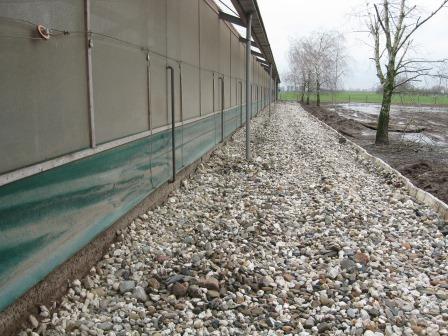
Litter around the popholes can be particularly difficult to keep dry and special attention and effort is required to keep it in good condition. Keeping the area immediately outside dry and well drained is key to keeping the litter inside the house dry. Prevent rain coming in through the popholes and have something to let the hens ‘wipe’ their feet outside, e.g. gravel. Highly-absorbent wood pellet bedding can be used where there is a problem with wet litter.
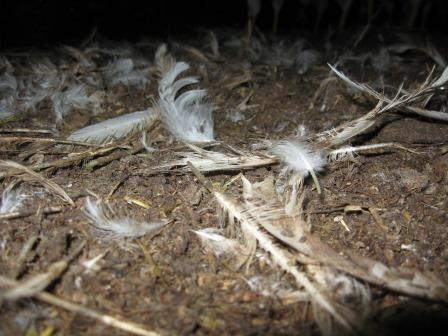
Capped (encrusted) litter often leads to feather pecking. Poor, crusted litter causes frustration which increases the birds’ need for an alternative foraging substrate. And the only alternative foraging material readily available is often the feathers of companion birds!
.
Climate
Try to avoid large changes in temperature, humidity and air quality inside the bird house as they are a challenge to the birds. This can be difficult to achieve in the laying house and may be more feasible in the rearing house. Sudden or extreme variations in the climate inside the house can be a source of stress to the birds. Discussions with experts within the industry indicate that (indoor) climate has a significant effect on bird growth and flock uniformity during rearing.
Ammonia fumes can affect the trachea and depress feed intake making birds more susceptible to disease (e.g. Infectious Bronchitis). Hens should not be subjected to concentrations of atmospheric ammonia above 25 ppm. The aim is to remain below 10-15 ppm. This should provide a good balance between environmental temperature and ammonia levels that the bird can live with. Wet litter areas have an increased ammonia emission, therefore it is important to keep the litter areas dry. Regular removal of the manure improves the air quality in the house.
Ensure that all ventilation fans are working properly and adjust ventilation rates according to external temperatures. Minimum ventilation to remove stale gases and moisture should be maintained even during periods of cold weather.
Verandas will help to reduce the contrast of any extremes in temperature and light between the outdoor range and the bird house.
Maintain a dry, well-drained range to avoid parasitic build up and birds drinking dirty water. This will also help to maintain dry litter in the house.
.
Light
See also subsection ‘Light’ of the post Housing.
Daylight
Daylight is thought to be important for laying hens, but the effects are not always conclusive. Daylight comprises the ultraviolet spectrum, unless it enters through a window (the glass filters out the UV). A preliminary study in The Netherlands indicated that a higher percentage of direct, unfiltered daylight reduced feather pecking.
Bird density
If there are many poultry farms in close vicinity to the farm, the risk of contagious diseases will increase. If the farm is located in an area with low poultry density, the risk of diseases such as Infectious Bronchitis will be lower. Health plans and vaccination schedules can be adjusted to the poultry density and the likelihood of certain infections. Because each vaccination is a challenge to bird health, consideration has to be given to the balance between the benefits and the risks of vaccination.
Contact with other animals
Access of other animals to the henhouse should be prohibited as they may be a vector of infectious diseases. This implies that all vermin (e.g. rats and mice) should be kept out as much as possible. Netting in front of ventilation openings will prohibit access to wild birds. Purposely keeping other animals, such as Llamas, on the range can be beneficial. See also section Free Range of the post Housing (subsection ‘Other animals on range’).
Parasites
.
Red mites
Mites, even in moderate numbers, can cause considerable stress. Effective control should include regular monitoring. Prompt and effective treatment protocols are to be devised in cooperation with the farm veterinarian (more details on poultry red mites here).
Worms
Intestinal worm infections can cause stress and are a common source of enteritis.
Monitor worm burdens throughout the flock life via post mortem examinations and faecal egg counts.
- Deworm when tests show high egg or worm counts.
- Avoid treatment via water when the birds have access to puddles, which may dilute the dosage.
- Ensure that every bird receives an effective dose (Suggestion: repeat egg counts 2 weeks after de-worming).
- Paddock rotation can help reduce the problem.
Recent evidence shows that good range management is associated with a reduced worm burden.
Other parasites
Problems with other parasites should be avoided as much as possible by taking effective biosecurity measures and maintaining a high flock health standard.
The human-animal relationship
The relationship between the caretakers and the flock is important for several reasons. Frequent contact will enable the caretaker to detect problems and take effective measures at an early stage. Frequent contact will also make the flock less fearful and therefore less prone to injurious pecking.
Flocks should be walked several times a day throughout rear and lay and attention should be paid to the behaviour of the birds. In this way any signs of injurious pecking should be spotted early enough so that it can be managed to prevent further escalation. Having a variety of people walking the birds will also increase the likelihood that potential problems are spotted before they become problems. Getting a variety of people to walk the birds will also help to get them used to different people and reduce their fearfulness. This is especially important during rear, as the chicks will eventually be exposed to different people when they are transferred to the laying house. Alternating different coloured clothes can also have the same desired effect.
 |  | |
| Varying the route taken through the shed can help make the flock more robust to unexpected changes, such as a vet or field advisor walking through the shed. | Take the time to sit or stand and observe the birds for five or ten minutes in one area. This will allow the birds the settle and resume their ‘normal’ behaviour and you will be able to spot any abnormal behaviour. Make sure to vary the areas you observe them in. | |
 |  | |
| Experience of injurious pecking can help you to spot the early signs of the behaviour. Talk to others who have had the problem and pay attention to the behaviour of the birds. | Ideally have two people inspecting the birds together and talking as they walk around. |
.
Fearfulness
If birds are fearful as chicks they are more likely to develop feather pecking (FP) as adults. Lines selected for low FP responded less fearfully to an open field test, designed to test levels of fearfulness, than high FP lines. These findings indicate a relationship between fearfulness and FP, therefore it appears feasible that reducing fearfulness will reduce the risk of FP.
.
Bird-related factors
Genetics
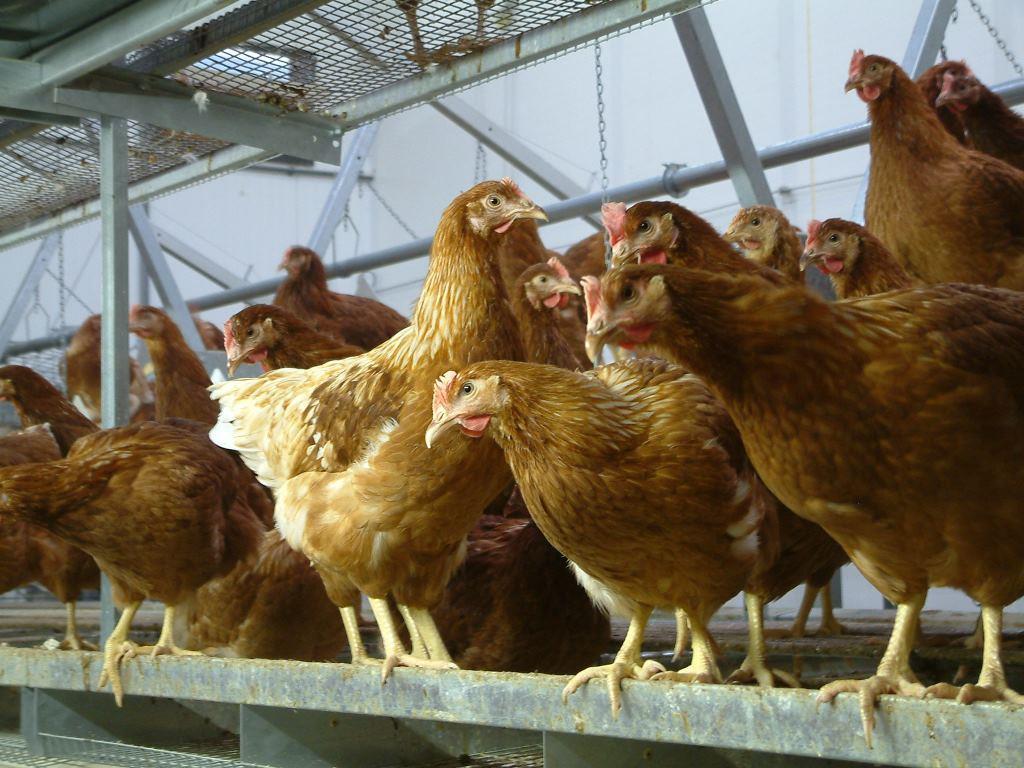
Different bird strains may differ in their predisposition for feather pecking. In general, it is easier to control injurious pecking in white egg-laying strains. On the other hand, white-egg layers seem more susceptible to what has been passed on to them by their parents. White parent flocks with high levels of feather damage and high stress levels (as measured in the blood) produced offspring that was more fearful and performed more feather pecking. Brown hens, on the other hand, were more susceptible to a disrupted litter supply in early rearing. Disruption and limitation of litter supply at an early age increased severe feather pecking, feather damage and fearfulness in brown hens.
Other genetically-determined factors such as feather colour play a role as well. Some feather colours may stimulate birds to feather peck. In brown birds feather damage becomes more visible when white down is visible between the brown feathers. In white birds, white down between white feathers does not attract much attention.
taken, e.g. providing extra roughage.
.
Age and previous experiences
Birds are more susceptible to develop injurious pecking behaviour during different phases of life. This often coincides with stressful events, such as moulting, start of lay or peak performance which may also be linked to changes in energy and/or nutrient requirements (negative energy balance), and changes in hormone levels. In some cases injurious pecking may start as a reaction to sudden changes in the situation of the birds, e.g. sudden blocking of access to the range (e.g. in case of outbreaks of contagious diseases).
Parental influences may also play a role. Parent stock that has been stressed will produce offspring that is more likely to develop feather pecking. This is especially true for white birds. Brown layers are more susceptible to environmental influences such as absence of good foraging substrate/litter.
.
Further reading
SPECIFIC
Scientific
English
- Checklist Dermanyssus. 2008.
- Factsheet Poultry Red Mite. Mul, M., H. Bens, I. Odink-Schrijver, 2013.
- www.PoultryMed.com
Nederlands
- Parasitaire wormen bij biologische leghennen: Onderzoek naar het voorkomen van maagdarmwormen. Iepema, G., J. Wagenaar, M.W.P. Bestman. 2005.
- Hulplijst tegen vogelmijt. 2008.
- Verlagen van uitval bij leghennen. Niekerk, T.G.C.M. van; Bestman, M.W.P.; Wagenaar, J.P.; Reuvekamp, B.F.J.; Bronneberg, R.; Vriens, R.; Westerbeek, F.; Westendorp, S. 2012. Wageningen UR Livestock Research, 2012: 48.
GENERAL
English
| FeatherWel management guide [pdf, 5.49mb] | AssureWel advice guide [pdf, 661kb] |
- A guide to the practical management of feather pecking & cannibalism in free range laying hens. Defra, 2005 (pdf)
- A guide to the practical management of feather pecking and cannibalism in free range laying hens. Defra, 2005 (html)
- Animal welfare on organic farms. Fact sheet series reducing the risk of feather pecking for laying hens in organic egg production. Produced in consultation with the ECOA Animal Welfare Task Force, February 2009
- Controlling feather pecking & cannibalism in laying hens without beak trimming. Pickett H., July 2008 Compassion in World Farming
- Controlling feather pecking & cannibalism in laying hens without beak trimming. Pickett H., October 2009. Compassion in World Farming. This report reviews the evidence from the scientific literature and from practical experience.
- Feather pecking and cannibalism on OrganicVet.Co.UK
Nederlands
| Noodmaatregelen tegen pikkerij [Treatment of FP]. Van Niekerk et al. 2013 (Report, 32 pp). | Van kuiken tot kip [Prevention of FP]. Van Niekerk et al.2011 (Report, 32 pp). |
Dansk
| Fjerpilningsnøgle [Feather pecking key]. Johansen, N.F. 2013 (Report, 48 pp). |
- Fjerpilning og fjerpilningsnøgle, Johansen, N.F. 2013 (webpage).
Further reading
SPECIFIC
English
| Integrating science and practice in order to reduce feather pecking in commercial laying hens. De Haas, E. et al. (Poster, 318,56 kb). |
Scientific
Nederlands
| Jong geleerd is oud gedaan : opfok van leghennen voor alternatieve systemen. Bestman, M. en C. Keppler, 2002 (Report, 62pp). |
GENERAL
English
| FeatherWel management guide [pdf, 5.49mb] | AssureWel advice guide [pdf, 661kb] |
- A guide to the practical management of feather pecking & cannibalism in free range laying hens. Defra, 2005 (pdf)
- A guide to the practical management of feather pecking and cannibalism in free range laying hens. Defra, 2005 (html)
- Animal welfare on organic farms. Fact sheet series reducing the risk of feather pecking for laying hens in organic egg production. Produced in consultation with the ECOA Animal Welfare Task Force, February 2009
- Controlling feather pecking & cannibalism in laying hens without beak trimming. Pickett H., July 2008 Compassion in World Farming
- Controlling feather pecking & cannibalism in laying hens without beak trimming. Pickett H., October 2009. Compassion in World Farming. This report reviews the evidence from the scientific literature and from practical experience.
- Feather pecking and cannibalism on OrganicVet.Co.UK
Nederlands
 Noodmaatregelen tegen pikkerij [Treatment of FP]. Van Niekerk et al. 2013 (Report, 32 pp). Noodmaatregelen tegen pikkerij [Treatment of FP]. Van Niekerk et al. 2013 (Report, 32 pp). |  Van kuiken tot kip [Prevention of FP]. Van Niekerk et al.2011 (Report, 32 pp). Van kuiken tot kip [Prevention of FP]. Van Niekerk et al.2011 (Report, 32 pp). |
| Licht op licht [Light on light]. Van Niekert et al., 2015 (Report, 36 pp). |

